For data teams who want to solve business problems, not just build infrastructure
Count gives data teams a collaborative workspace to investigate, model, and explain the business, not just serve dashboards.
The daily data workbench for data teams at:











“The best data tool I have discovered since dbt”
Jessica Franks,
Senior Data Engineering Manager,
Funding Circle
SQL, Python, dbt and an AI co-pilot all in one interface so you can move faster and stay in flow.
Lay out hundreds of queries, transformations and visuals in a single place, whether you're exploring a dataset or debugging a data model.
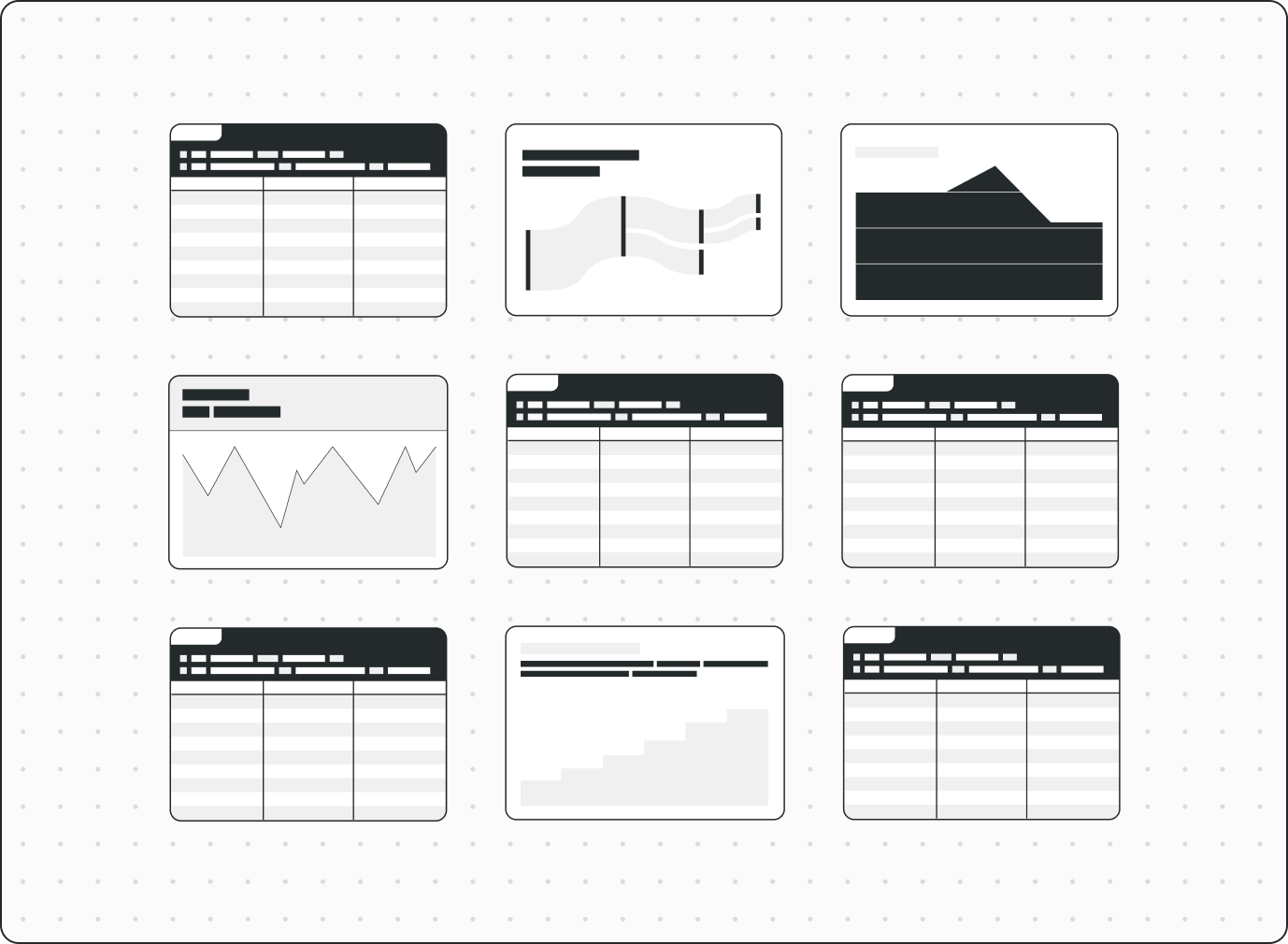
Lay out your thinking, methodology, and results step by step.
Work with stakeholders directly in the same space to break down problems and reach answers faster.
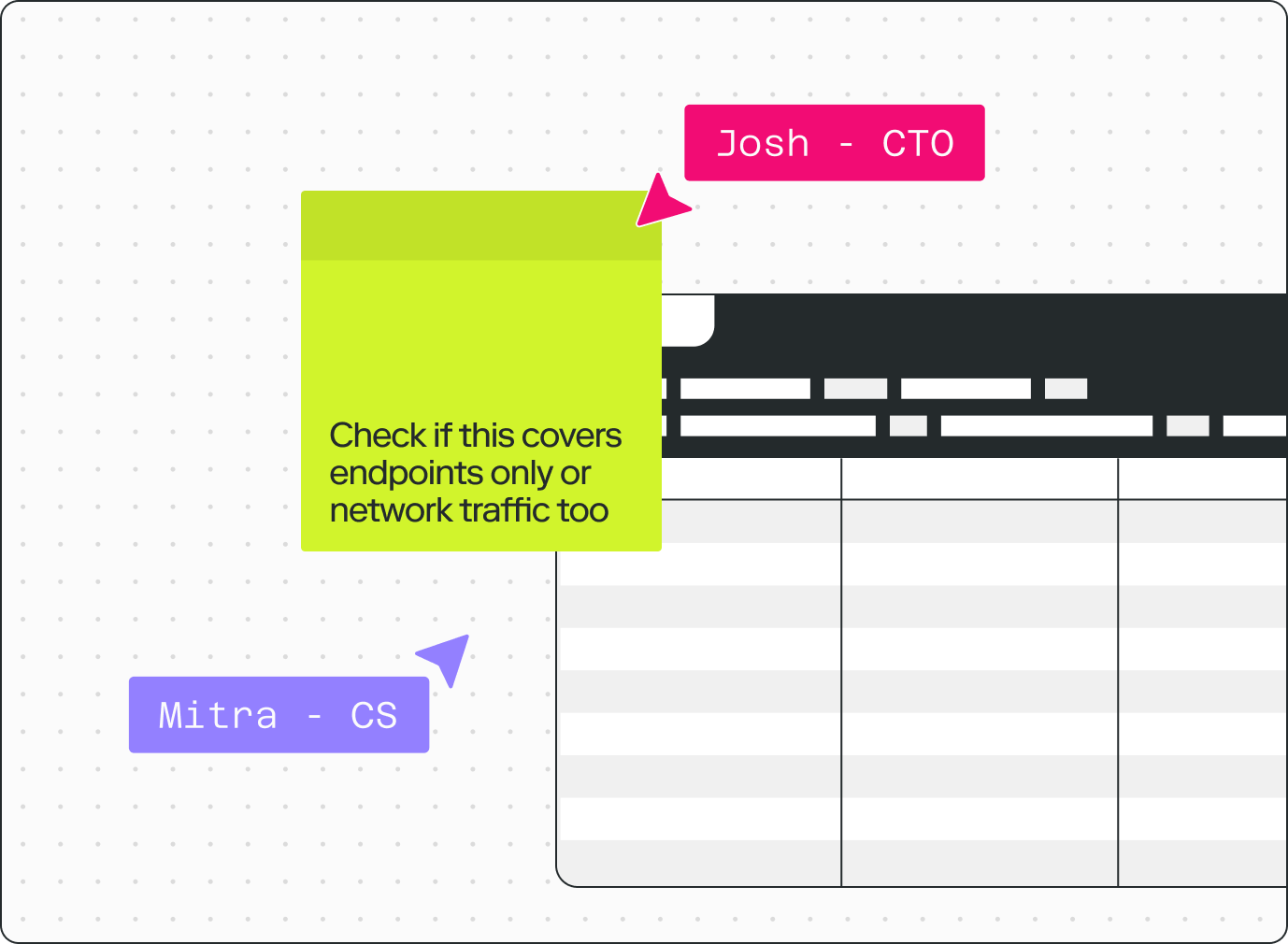
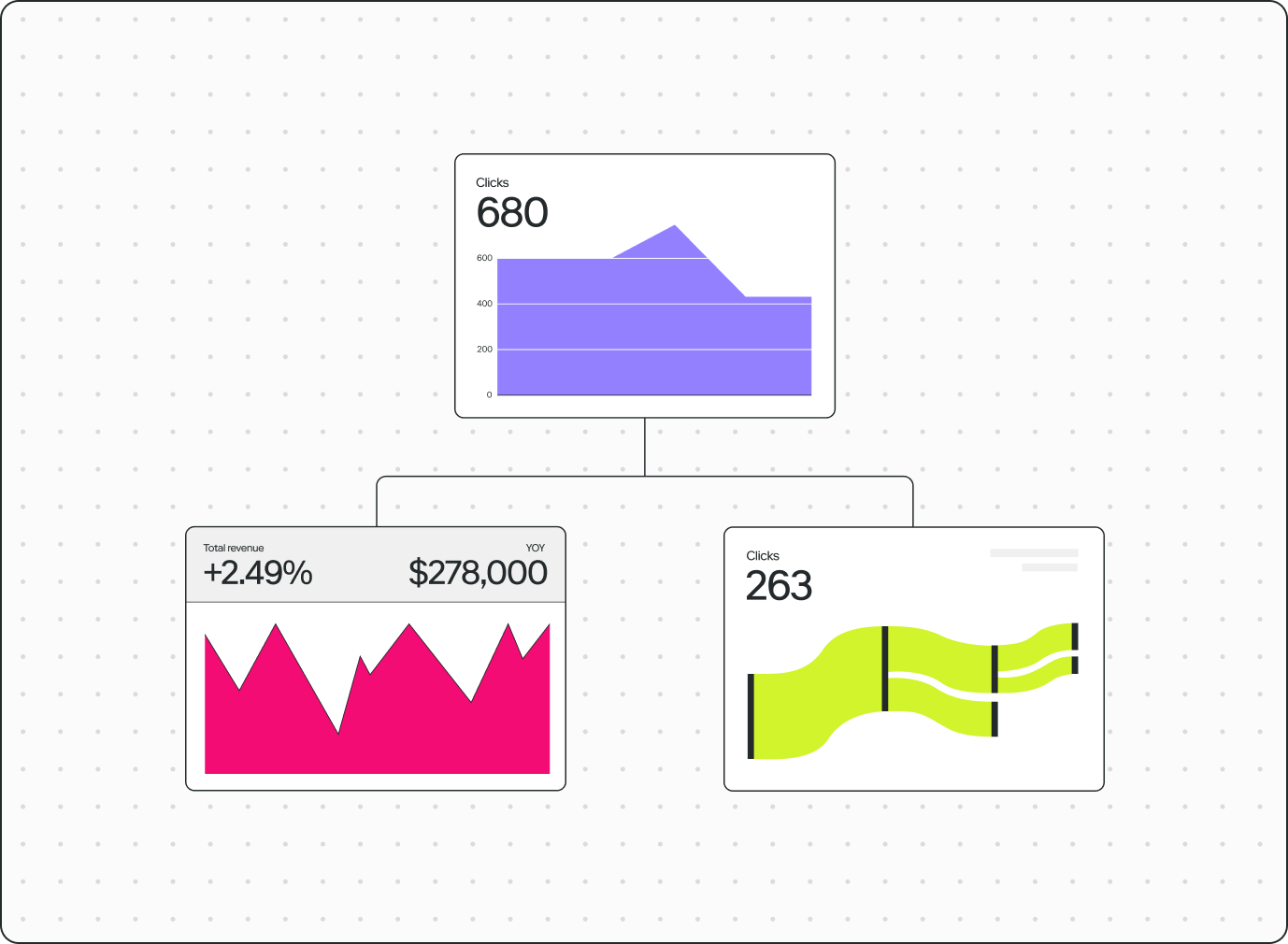
Use the canvas to map metrics in context and align the business around a common mental model.
Create metric trees, onboarding funnels and flow diagrams to make relationships and bottlenecks clear so taking action is easy.
Let the business explore without losing control
Create trusted, self-service environments by importing trusted data sources or building semantic models directly in Count.
Your team can explore with AI - in the canvas, via Slack, or through Count’s MCP client - without breaking definitions or logic. It’s agentic analytics grounded in a governed semantic layer.
Learn more about Count Metrics →
Bring collaboration to your existing stack
Import data and logic via MCP servers or Count’s native GitHub and dbt integrations.
Bring your existing models, logic, and workflows into a space where they can actually drive decisions.
See all of our integrations →A different way to work with data
BI tools distribute information. Chatbots race to answers. Count is where teams actually figure out what’s going on and decide what to do next.
Compare Count to
Count vs BI tools
BI tools let you share metrics with lots of people. Count is for making decisions.
Count vs Notebooks
Notebooks are great for technical work. Count brings that work into a collaborative, flexible environment.
Count vs Chatbots
Chatbots give you quick answers. Count helps you trust and act on them.
solving
in the age
of AI.
Problem solving in the age of AI.
A field guide for data analysts who want to deliver reliable business impact with data.
- →The 5 capabilities that define the best analytical problem solvers
- →10 problem-solving frameworks with worked examples
- →How to leverage AI to support, not replace, your workflow