Explore Issue Priority Distribution Analysis using your Linear data
Issue Priority Distribution Analysis with Linear Data
Issue Priority Distribution Analysis reveals how your team allocates effort across different priority levels in Linear, exposing whether critical issues receive appropriate attention or if low-priority work dominates your workflow. Linear's rich priority labeling system captures the urgency and importance of every issue, making this analysis crucial for understanding why priority distribution is unbalanced and identifying bottlenecks that prevent high-impact work from moving forward.
For Linear users, this analysis directly impacts sprint planning, resource allocation, and delivery timelines. When you can see that 70% of your team's capacity goes to low-priority issues while critical bugs languish, you can make informed decisions about how to improve issue priority distribution and realign your team's focus with business objectives.
Manually analyzing priority distribution in spreadsheets becomes overwhelming quickly—you'd need to export Linear data repeatedly, create complex formulas for different time periods and team segments, and risk errors when priorities change. Linear's built-in reporting offers basic priority breakdowns but can't answer nuanced questions like "Why do certain developers consistently work on low-priority items?" or "How does priority distribution correlate with delivery velocity?"
Count transforms your Linear priority data into actionable insights, automatically tracking distribution patterns across teams, time periods, and project phases. Explore the complete Issue Priority Distribution Analysis guide to optimize your team's focus and delivery impact.
Stop reading about priorities. Analyze your actual data.
Connect Linear to Count's collaborative canvas where AI writes the queries and your team explores priority patterns together—no more guessing about resource allocation.
Questions You Can Answer
What percentage of our Linear issues are marked as high or urgent priority? This reveals your team's priority distribution baseline and helps identify if you're over-prioritizing issues, which can dilute focus on truly critical work.
Why is our priority distribution unbalanced between different Linear teams? Uncovers whether certain teams consistently mark more issues as high priority, indicating potential miscalibration in priority assignment or genuine workload imbalances across teams.
How long do urgent priority issues stay open compared to low priority ones in Linear? Shows if your team actually treats high-priority issues with urgency or if priority labels don't translate to faster resolution times, revealing gaps between intention and execution.
Which Linear projects have the most skewed priority distributions? Identifies projects where priority assignment may be inconsistent, helping you understand how to improve issue priority distribution across different workstreams and maintain balanced project health.
How does our priority distribution change over time, and does it correlate with Linear cycle completion rates? This advanced analysis reveals whether priority inflation occurs during stressful periods and if balanced priority distribution actually improves team velocity and cycle success rates.
What's the relationship between issue priority, assignee workload, and Linear status progression? Examines whether high-priority issues assigned to overloaded team members move through Linear statuses more slowly, indicating resource allocation problems that affect priority handling.
How Count Does This
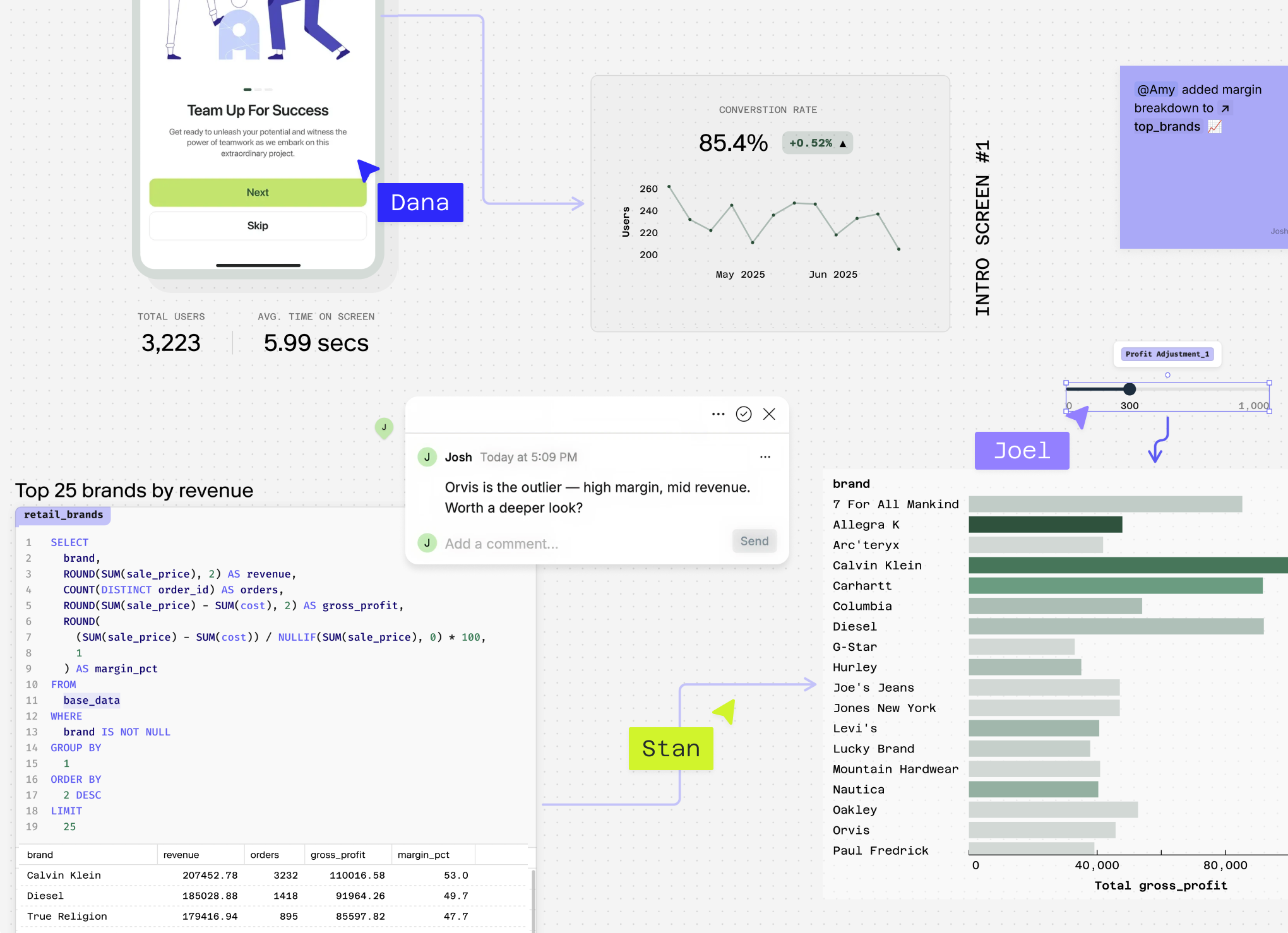
Count's AI agent crafts bespoke SQL queries tailored to your specific Linear priority distribution questions — no rigid templates. When you ask "how to improve issue priority distribution," Count automatically writes custom logic analyzing your team's priority patterns, cycle times by priority level, and resolution rates across different urgency categories.
Running hundreds of queries in seconds, Count uncovers hidden patterns like priority inflation trends, seasonal priority shifts, or correlations between priority levels and actual resolution times that manual analysis would miss. The platform handles messy Linear data seamlessly — automatically cleaning inconsistent priority labels, normalizing team assignments, and filtering out test issues without manual intervention.
Count's transparent methodology shows exactly how it calculates priority distribution metrics, revealing every assumption about priority mapping and timeline calculations. You can verify why priority distribution might be unbalanced by examining the underlying data transformations and business logic.
The analysis transforms into presentation-ready insights explaining priority bottlenecks, complete with actionable recommendations and visualizations. Your team can collaboratively explore results, asking follow-up questions like "Which developers handle the most urgent issues?" or "How does priority distribution correlate with sprint velocity?"
Count connects Linear data with other sources — your database, Slack notifications, or deployment logs — providing comprehensive context around priority decisions. This multi-source approach reveals whether priority distribution aligns with actual business impact and customer escalations.
Explore related metrics
Stop reading about priorities. Analyze your actual data.
Connect Linear to Count's collaborative canvas where AI writes the queries and your team explores priority patterns together—no more guessing about resource allocation.